New Summer Exhibition Celebrates Richard Cobden and the Fight for Free Trade
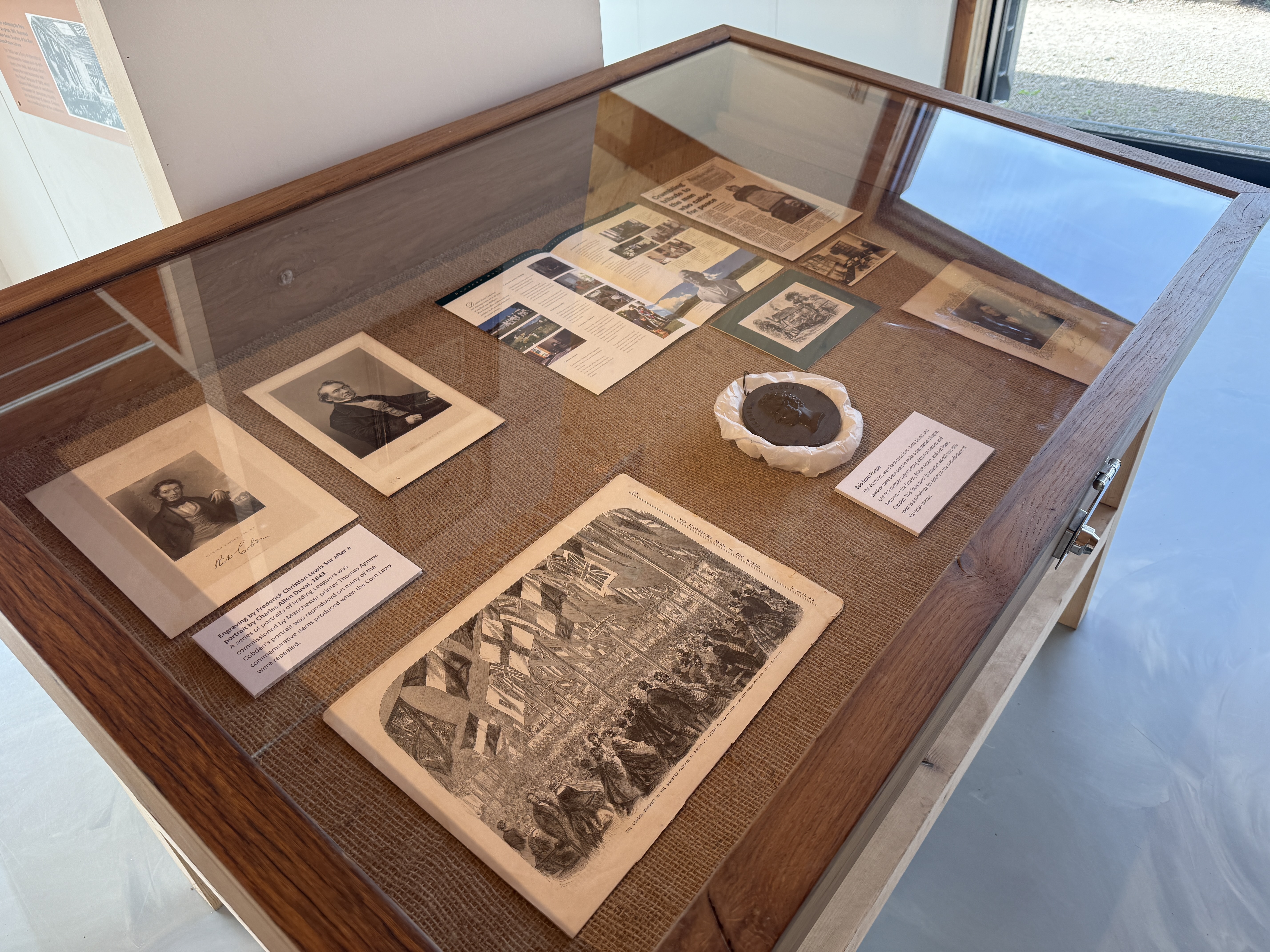
This summer, the Weald & Downland Living Museum, Chichester, invites visitors to discover the remarkable life and legacy of one of Sussex's most influential political figures in a new exhibition, Richard Cobden: Sussex Free Trade Campaigner.From Saturday, 13 June through to the Sunday, 13 September, visitors can explore the exhibition, in the Museums Gateway Gallery as part of their visit.
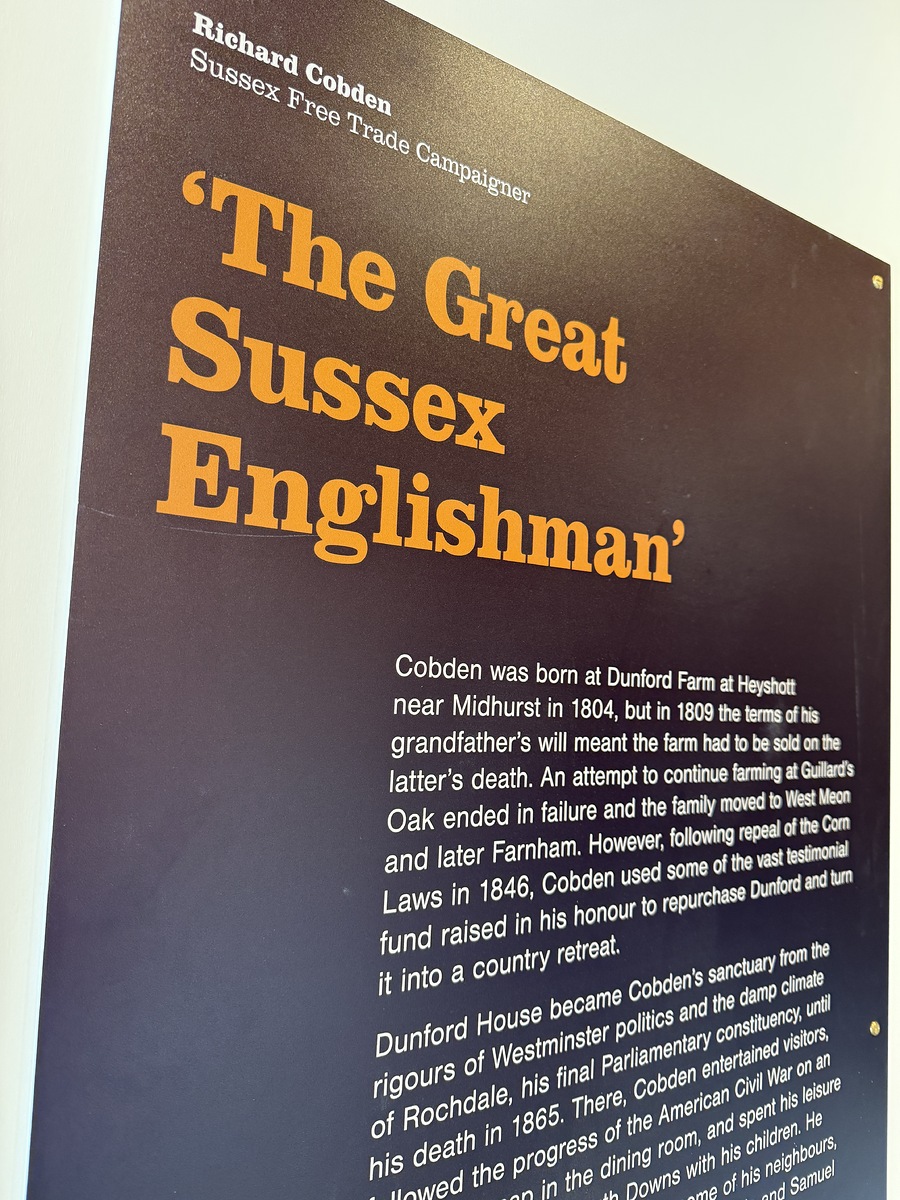
Marking the 180th anniversary of the repeal of the Corn Laws in 1846, the exhibition explores the story of Richard Cobden (1804 - 1865), the radical politician, manufacturer and champion of free trade who was born near Heyshott in West Sussex. Through fascinating historical interpretation and local connections, visitors will learn how a boy from humble farming origins became one of the most significant political campaigners of the nineteenth century.
The exhibition is jointly funded by the Weald & Downland Living Museum and Leeds Beckett University and has grown out of a major Arts and Humanities Research Council project, The Letters of Richard Cobden Online, led by Leeds Beckett university in partnership with the University of East Anglia.
The Letters of Richard Cobden team are very excited to bring this exhibition to Cobden's home county of West Sussex. This was not only his birthplace but became increasingly important to him as a retreat from the bustle and stress of Westminster. It was also a base from which he corresponded with fellow reformers across Britain, Europe and the United States. Simon Morgan, Professor of Modern British History at Leeds Beckett University.
Richard Cobden is best remembered as the leader of the Anti-Corn Law League, which campaigned for free trade in food during the 'Hungry Forties', but his public career embraced much more. Nationally, he supported educational reform, press freedom and the extension of the vote. Internationally, he was a leading figure in the peace movement, a critic of British foreign policy, and an opponent of slavery and imperialism.
Although he became famous as a leader of the 'Manchester School', Cobden was the son of a West Sussex farmer and retained strong links to the county throughout his life. Born at Dunford Farm near Midhurst in 1804, he began his working life in his uncle's calico warehouse in London before establishing himself in the textile trade in Lancashire.
After settling in Manchester, Cobden became a prominent Liberal campaigner, helping secure the creation of the city's first elected municipal council before emerging as the leading force behind the Anti-Corn Law League between 1839 and 1846. The League campaigned to remove import duties on grain and other goods, which were widely seen as a tax on the food of the poor and a barrier to trade.
Following the repeal of the Corn Laws in 1846, Cobden purchased Dunford Farm and transformed it into a country retreat. He divided his time between Sussex, London and the north of England, where he maintained both political and family connections. Described by his neighbour Samuel Wilberforce, Bishop of Oxford, as "The Great Sussex Englishman", Cobden died in 1865 and is buried in the churchyard at West Lavington.
This exhibition follows The Letters of Richard Cobden Online (18041865): An Exploration of Active Citizenship, led by Leeds Beckett University and the University of East Anglia and funded by the Arts and Humanities Research Council. The current exhibition has been part-funded by Leeds Beckett University anddraws upon research undertaken through the project. The project website (www.cobdenletters.org) includes fully searchable transcripts of 5,500 of Cobden's letters, alongside teaching materials to support lessons in History and Citizenship at Key Stage 3.
The exhibition not only explores Cobden's extraordinary rise from rural Sussex to national prominence but also examines the wider social and economic impact of the Corn Laws. Visitors are encouraged to consider how debates around trade, tariffs and the cost of living continue to resonate in today's increasingly interconnected world.
"Richard Cobden's story is one of determination, conviction and social change. As we mark 180 years since the repeal of the Corn Laws, this exhibition provides an opportunity to explore the life of a remarkable Sussex figure whose ideas continue to have relevance today." Julian Bell, Museum Curator.
The Weald & Downland Living Museum is a fantastic day out with FREE parking, an onsite café, and a shop. Once youve paid for your admission ticket, everything is included. For more information and to plan your visit, go to wealddown.co.uk.
About the Weald & Downland Living Museum
The Weald & Downland Living Museum is an open-air museum in Chichester, West Sussex, dedicated to preserving and sharing the rural heritage of southeastern England. Through historic buildings, traditional skills, and immersive events, the Museum brings the past vividly to life for visitors of all ages.