THE IMPOSSIBLE THEATRE*
How Chichester Created a National Treasure
Today, Chichester Festival Theatre seems such a natural part of the city that it is difficult to imagine Chichester without it. Yet little more than 65 years ago, building a major professional theatre in a small cathedral city appeared extraordinarily ambitious and, in all honesty, an impossible dream.
The idea began with a local optician watching television. Leslie Evershed-Martin had settled in Chichester in the 1920s and ran his optician's practice in South Street. He founded the Chichester Players, served twice as Mayor and was deeply involved in local life.
One evening in January 1959, he watched the theatre director Tyrone Guthrie talking about the Shakespeare Festival Theatre in Stratford, Ontario. The Canadian theatre had a 'thrust stage', projecting into the auditorium with the audience seated around three sides.
Evershed-Martin wondered: if Stratford in Canada could support a festival theatre, why not Chichester?
It was an unlikely proposition. Chichester was a city of only around 20,000 people, without its own professional theatre company. But Evershed-Martin was not easily discouraged.
Within months, the Duke of Norfolk had agreed to become patron, leading actors had offered their support and the city council had made land available in Oaklands Park.
Built by Chichester
The theatre was expected to cost around £70,000 - a substantial sum in 1960. Rather than relying on one wealthy benefactor, much of the money was raised through donations and subscriptions from local people and businesses. Gradually the money was raised.
In modern terms, Chichester Festival Theatre was crowdfunded.
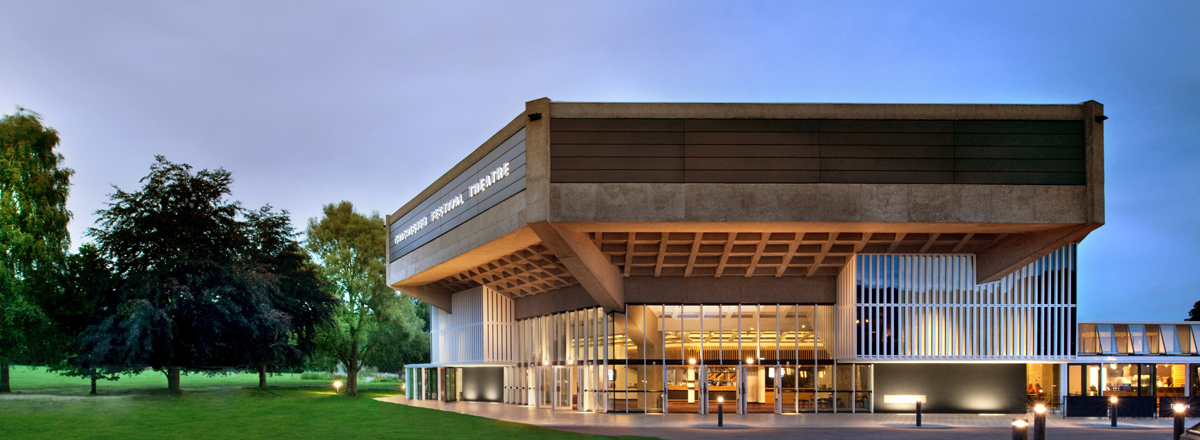
Architects Philip Powell and Hidalgo Moya transformed Evershed-Martin's idea of a 'tent in a park' into a striking permanent building. Its hexagonal auditorium rose above a glass-walled foyer, while its Canadian maple stage extended into the audience.
It became Britain's first modern thrust-stage theatre, bringing actors and audiences unusually close together. The building's architectural importance was later recognised with Grade II* listed status.
Enter Laurence Olivier
A revolutionary new theatre needed an exceptional artistic leader and Evershed-Martin set his sights on Laurence Olivier, one of the most famous actors in the world.
Olivier agreed to become the theatre's first Artistic Director in 1961 and as the building took shape, Olivier became closely involved in planning how its unfamiliar stage could be used.
On the 5th July 1962, the theatre opened with John Fletcher's The Chances, directed by Olivier. It was followed by The Broken Heart and Uncle Vanya.
The inaugural company included Olivier, Joan Plowright, Michael Redgrave, Sybil Thorndike, Rosemary Harris, Kathleen Harrison and Keith Michell. Chichester had immediately established itself as a centre of theatrical excellence.
The impossible becomes possible
Evershed-Martin remained devoted to the theatre but never treated it as his private domain. He and his wife Carol continued to buy tickets - always seats E33 and E34 - and reportedly missed only one production.
He was sometimes described as stubborn or 'mulish', but that determination was probably essential. One observer suggested that the theatre was built largely because Evershed-Martin did not realise that it was impossible.
More than six decades later, Chichester Festival Theatre is one of Britain's leading producing theatres. Yet its beginnings remain a particularly inspiring Chichester story: a combination of local confidence, community support, daring architecture, theatrical brilliance - and one remarkably determined optician.
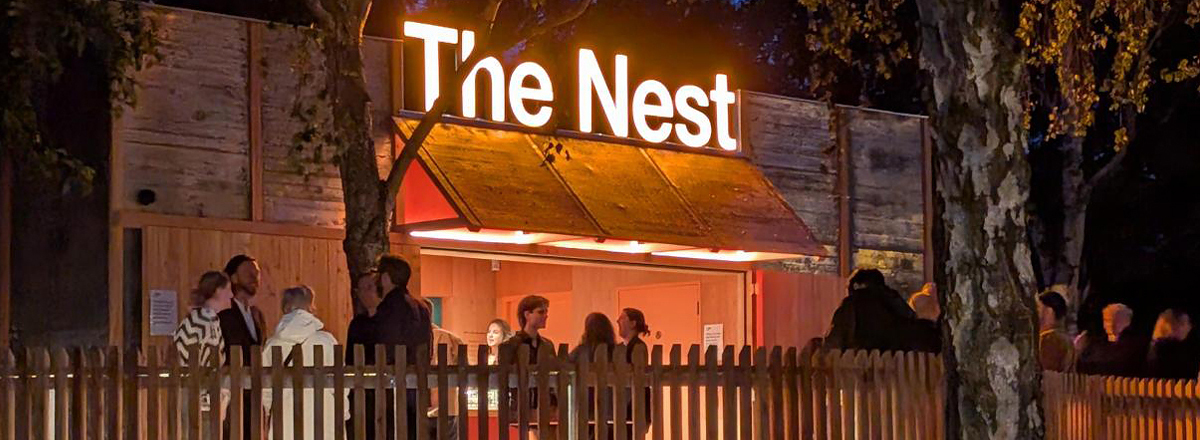
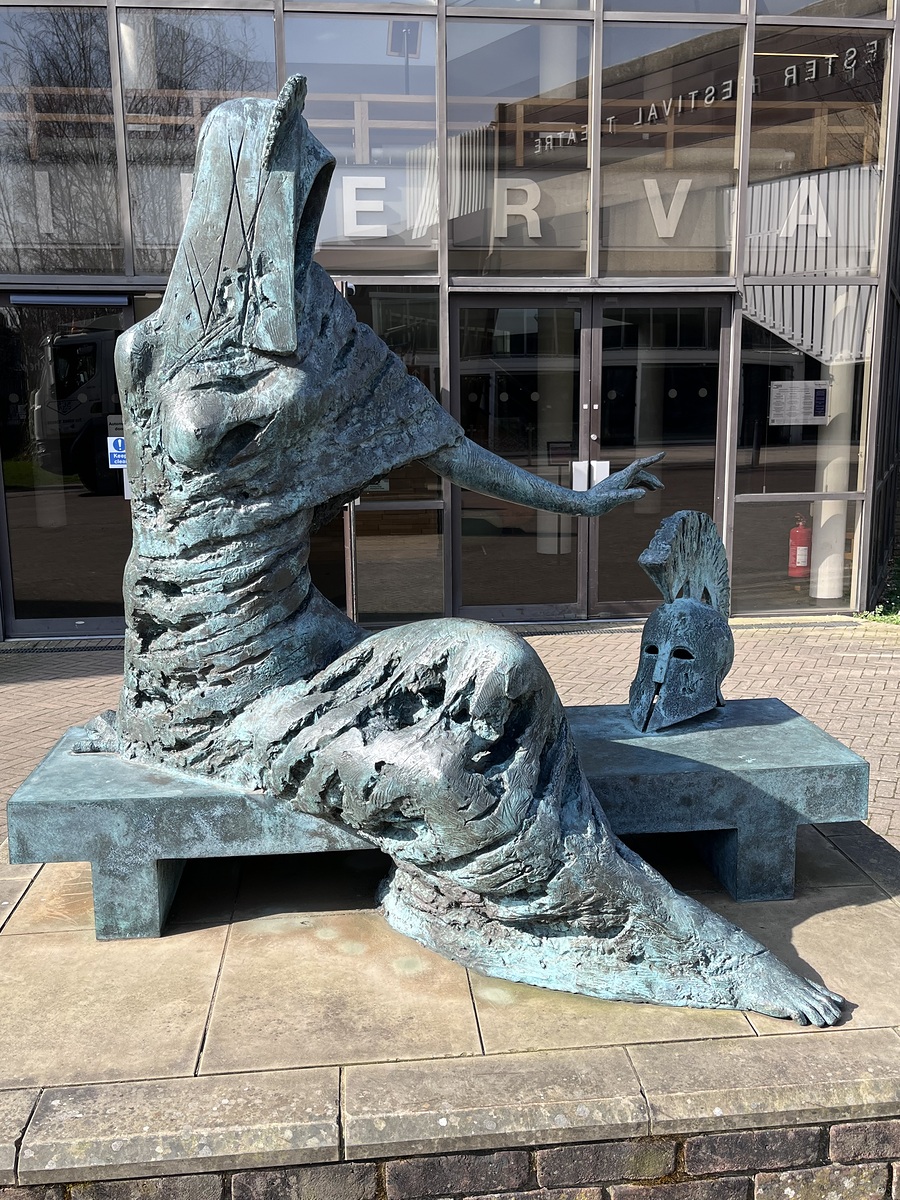
In 1989 the Minerva Theatre opened with Sam Mendes as its first artistic director. In July 2025 The Nest opened for performances - Chichesters new creative venue for fresh ideas, new voices and local artists. Now the Impossible Theatre* has become three.
The theatre may once have seemed impossible. Today, it is impossible to imagine Chichester without it.
"The Impossible Theatre" is the story of the theatre written by the founder, Leslie Evershed-Martin